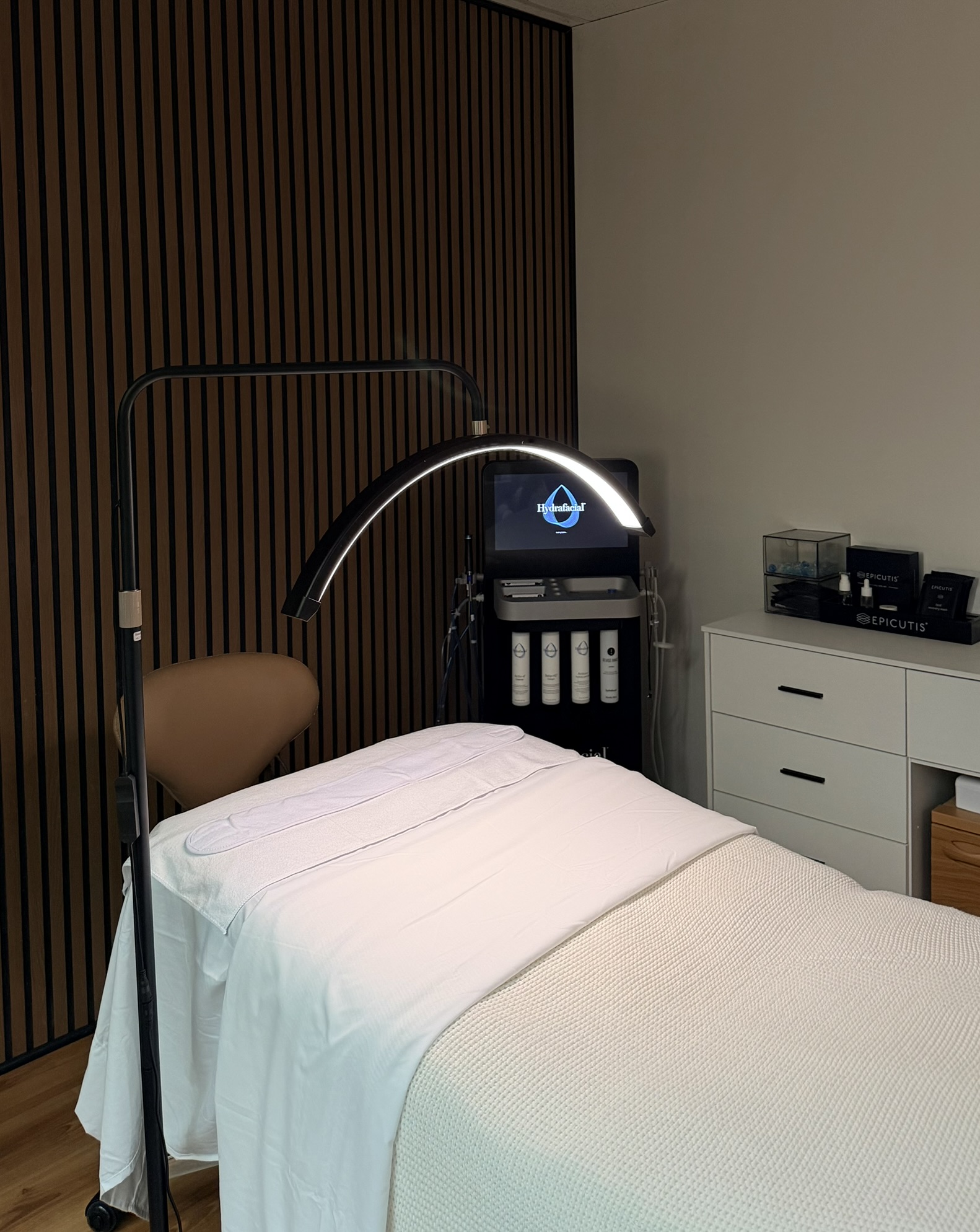
If you're looking for a personalized approach to skin rejuvenation or want to learn more about PRP for hair-restoration goals, PRP treatment in Reston, VA may be worth exploring.
PRP stands for platelet-rich plasma. It uses components taken from a small sample of your own blood as part of an aesthetic treatment plan. Depending on the treatment area and your goals, PRP may be used to support skin quality, collagen production, and hair-restoration plans.
At INFUDERM Clinic, PRP may also be combined with treatments such as microneedling or Morpheus8® when appropriate.
But what exactly happens during PRP treatment? Is there downtime? How long does it take to see results? And is PRP right for everyone?
Here is what to know before scheduling a consultation.
What Is PRP Treatment?
PRP stands for Platelet-Rich Plasma.
The treatment begins with a small blood draw. The sample is then processed to concentrate the platelets and plasma. These components contain growth factors that may support the body's natural tissue-repair and renewal processes.
In aesthetic medicine, PRP may be used to support:
- Skin rejuvenation
- Collagen production
- Skin texture and overall skin quality
- Natural-looking facial rejuvenation
- Hair-restoration goals
- Scalp and hair-density concerns
Because PRP is derived from your own blood, it may appeal to people interested in a treatment that works with their body's own components.
However, PRP is not the same as a dermal filler. It does not function as a direct replacement for treatments designed to restore or enhance facial volume.
What Can PRP Treatment Help With?
PRP can be used for different aesthetic goals depending on the treatment area, medical history, and individual needs.
PRP for Skin Rejuvenation
PRP may support improvements in overall skin quality, texture and radiance by supporting the skin's natural renewal and collagen-production processes.
It may be considered for people concerned about:
- Fine lines
- Uneven skin texture
- Dull-looking skin
- Early visible signs of aging
- Overall skin quality
- Certain acne-scar concerns
The goal is generally gradual, natural-looking improvement rather than an immediate change in facial volume.
PRP for Hair-Restoration Support
PRP may also be incorporated into personalized hair restoration plans.
If you are experiencing hair thinning or changes in hair density, a consultation is important before deciding whether PRP is appropriate. Your provider may evaluate your scalp, medical history, hair concerns, and treatment goals before recommending a plan.
PRP is not suitable for every type or cause of hair loss, and individual results can vary.
How Does PRP Treatment Work?
A typical PRP appointment involves several steps.
1. Consultation
Your provider first reviews your concerns, medical history, treatment goals, and candidacy.
For facial rejuvenation, this may include an assessment of your skin quality, texture, and the areas you would like to improve.
For hair-restoration concerns, the provider may evaluate your scalp and discuss your hair goals.
2. Blood Draw
A small amount of blood is collected.
3. Processing
The blood sample is processed to separate and concentrate the PRP components.
4. PRP Application or Injection
Depending on your treatment plan, PRP may be injected into specific areas or used alongside another treatment such as microneedling.
5. Aftercare
Your provider will explain what to expect after treatment and provide individualized aftercare instructions.
Is PRP Treatment Painful?
PRP treatment involves a blood draw and, depending on the treatment, injections or another method of applying the PRP.
Comfort can vary based on the treatment area and individual sensitivity.
During your consultation, you can discuss any concerns about discomfort and learn what steps may be used to make the treatment more comfortable.
How Long Does a PRP Treatment Take?
Treatment time depends on:
- The area being treated
- The treatment technique
- Whether PRP is combined with another procedure
- Your individualized treatment plan
For that reason, there is not one standard appointment length for every PRP treatment.
Your provider can give you a more specific time estimate during your consultation.
When Will You See PRP Results?
One important thing to understand about PRP is that results generally develop gradually.
Some people may notice early changes in skin appearance or texture. Improvements related to collagen remodeling or hair-restoration goals may take longer.
Results can continue developing over several weeks to months, depending on factors such as:
- The treatment area
- Your individual goals
- Your skin or hair condition
- The number of treatments
- Your body's response to treatment
It is important to have realistic expectations and understand that results vary from person to person.
How Many PRP Treatments Will You Need?
There is not a universal number of PRP treatments that works for everyone.
Your provider may recommend a series depending on:
- Your treatment goal
- The area being treated
- Your skin or hair concerns
- Your individual response
- Whether PRP is combined with another treatment
Some patients may benefit from multiple sessions, particularly when PRP is being used as part of a longer-term skin-rejuvenation or hair-restoration plan.
A consultation is the best way to determine an appropriate treatment schedule.
Does PRP Have Downtime?
Recovery depends on how PRP is performed and which area is treated.
Temporary effects may include:
- Redness
- Sensitivity
- Swelling
- Tenderness
- Mild bruising
If PRP is combined with microneedling or another procedure, your recovery may also reflect that treatment.
Your provider will explain the expected recovery and aftercare specific to your procedure.
What Should You Do After PRP Treatment?
Aftercare instructions can vary depending on the treatment area and technique.
Your provider may recommend that you:
- Follow all personalized aftercare instructions
- Avoid unnecessary irritation to the treated area
- Use sunscreen when treating exposed skin
- Avoid harsh skincare products until advised
- Follow any activity or medication instructions provided
- Contact the clinic if you experience unexpected or concerning symptoms
Do not apply new active skincare products or resume intensive treatments until your provider confirms that it is appropriate.
Can PRP Be Combined with Microneedling?
Yes. PRP may be combined with microneedling as part of a customized skin-rejuvenation plan.
Microneedling creates controlled microchannels in the skin, while PRP provides concentrated blood-derived components that may support the skin's natural healing and collagen-production processes.
PRP and microneedling may be considered for concerns such as:
- Uneven skin texture
- Certain acne-scar concerns
- Fine lines
- Overall skin quality
- Collagen support
Not every patient needs combination treatment. Your provider can determine whether combining the treatments is appropriate for your skin and goals.
Can PRP Be Combined with Morpheus8®?
PRP may also be combined with Morpheus8® as part of a customized skin-rejuvenation plan.
Morpheus8 combines microneedling with radiofrequency energy. PRP may be incorporated when appropriate to support the overall treatment plan.
This combination may be considered for concerns such as:
- Skin texture
- Acne-scar concerns
- Fine lines
- Overall skin quality
- Skin laxity
Not every patient needs combination treatment. Your provider should evaluate your skin, treatment goals and medical history before recommending a plan.
PRP vs. PRF: What’s the Difference?
PRP and PRF are related treatments, but they are not exactly the same.
PRP, or Platelet-Rich Plasma, concentrates platelets and plasma from a blood sample.
PRF, or Platelet-Rich Fibrin, contains platelets, fibrin and growth factors within a fibrin matrix. This structure is associated with a more gradual release of growth factors.
The appropriate option depends on factors such as:
- Treatment area
- Skin or hair concerns
- Desired outcome
- Medical history
- Provider evaluation
Rather than choosing between PRP and PRF based only on which treatment sounds newer or more advanced, discuss your goals with a qualified provider.
Is PRP Right for Everyone?
No. PRP may not be appropriate for every patient.
Candidacy may be affected by:
- Certain blood disorders
- Active infections
- Specific medical conditions
- Medication considerations
- Pregnancy or nursing
- The condition being treated
- Individual treatment goals
Your provider should review your medical history, current medications, treatment concerns and expectations before recommending PRP.
A consultation is an important part of determining whether PRP is appropriate for you.
What Should You Ask Before Choosing a PRP Provider in Reston?
If you're comparing PRP treatment options in Reston, consider asking:
- Who will perform my treatment?
- What type of PRP treatment is appropriate for my concern?
- What results should I realistically expect?
- How many sessions might I need?
- What is the expected recovery?
- Can PRP be combined with another treatment?
- What are the potential risks and limitations?
- How will my treatment plan be personalized?
- What type of follow-up care is provided?
The goal is not simply to find a provider offering PRP. You should understand why PRP is being recommended for your particular concern and what the treatment plan involves.
PRP Treatment at INFUDERM in Reston, VA
At INFUDERM Clinic, PRP treatments are personalized around each patient's goals, medical history, skin or hair concerns and overall treatment plan.
PRP may be used for skin rejuvenation or hair-restoration support. It may also be combined with microneedling or Morpheus8® when appropriate.
INFUDERM's approach begins with consultation and evaluation rather than automatically recommending the same treatment to every patient.
If you're considering PRP treatment in Reston, VA, a consultation can help you understand whether PRP—or another treatment option—may be appropriate for your goals.
Frequently Asked Questions About PRP Treatment in Reston, VA
What is PRP treatment?
PRP treatment uses platelet-rich plasma processed from a small sample of your own blood. It may be used to support skin rejuvenation, collagen production and hair-restoration goals.
Is PRP the same as a filler?
No. PRP and dermal fillers work differently. PRP is used to support natural tissue and collagen processes, while dermal fillers are injectable products designed primarily to restore or enhance volume.
How long does it take to see PRP results?
Results generally develop gradually. Depending on the treatment, improvements may continue to develop over several weeks to months.
Can PRP help with hair loss?
PRP may be used as part of a hair-restoration plan and may support scalp and hair-density goals. Candidacy and expected results vary between individuals.
Can PRP be combined with microneedling?
Yes. PRP may be combined with microneedling when appropriate for the patient's goals and skin concerns.
Can PRP be combined with Morpheus8®?
Yes. PRP may be incorporated into a Morpheus8® treatment plan when considered appropriate by the provider.
Is there downtime after PRP?
Recovery varies depending on how PRP is performed and whether it is combined with another treatment. Temporary redness, sensitivity, swelling or tenderness may occur.
How much does PRP treatment cost in Reston, VA?
The cost of PRP can vary depending on the treatment area, treatment goals, number of sessions and whether PRP is combined with another procedure.
When comparing providers, consider the treatment plan, provider evaluation, safety protocols, technique and follow-up care—not only the price.
For current treatment information, contact INFUDERM directly.
Considering PRP Treatment in Reston, VA?
If you're interested in PRP for skin rejuvenation, collagen support or hair-restoration goals, INFUDERM can help you understand your options during a consultation.
INFUDERM Clinic
Reston - 11862 Sunrise Valley Drive, Unit 101 Reston, VA 20191
Aldie - 24560 Southpoint Dr Ste 220, Aldie, VA 20105
Phone: (571) 375-9180 Email: Info@InfudermVA.com